

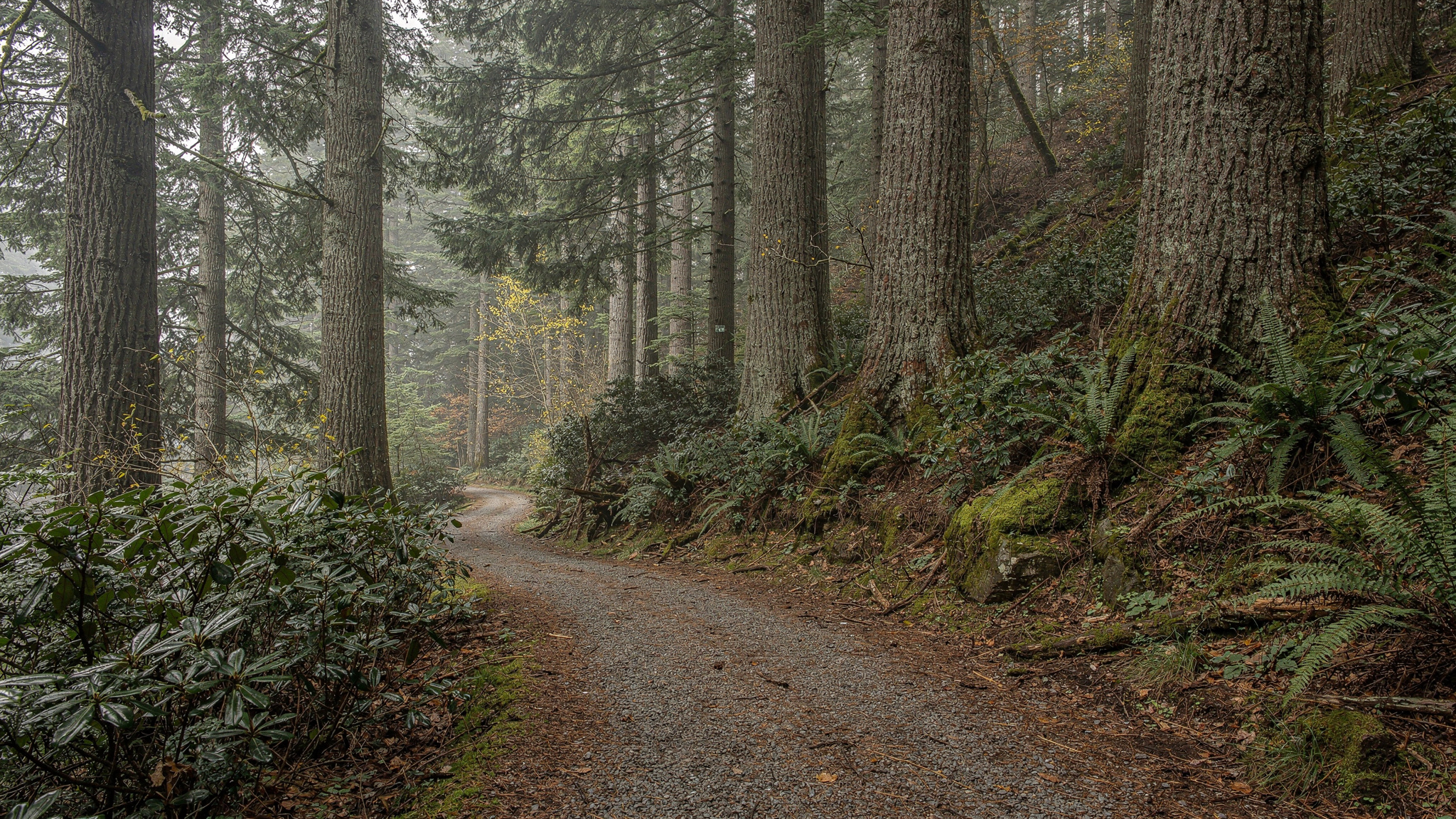
Burke Mountain sits at the northeast edge of Coquitlam and offers the most accessible mountain hiking experience in the Tri-Cities. The trail network spans multiple difficulty levels and connects through to Pinecone Burke Provincial Park above, giving experienced hikers an option to extend well beyond the urban trail system. For most visitors, the lower and mid-mountain trails provide a satisfying and scenically rewarding outing without requiring alpine experience.
This guide covers the main trail options on Burke Mountain, organized by difficulty and starting point. Burke Mountain is close enough to the city to work as a weekday evening hike from central Coquitlam and popular enough on summer weekends to require early arrival at the main trailheads.
Getting to Burke Mountain: Trailheads and Parking
The main access point for Burke Mountain trails is via Ravine Drive in the Burke Mountain neighbourhood, reached by heading north on Pipeline Road from Coquitlam’s Westwood Plateau or through the newer Burke Mountain Village development. The trailhead parking lot on Ravine Drive fills quickly on summer weekend mornings, with late arrivals often parking along the shoulder of the approach road.
Arriving before 8 a.m. on summer weekends guarantees a parking spot at the main Ravine Drive trailhead. By 10 a.m. the lot is typically full and overflow parking along the road begins. On weekdays the trailheads are noticeably quieter, which makes early-morning weekday hikes significantly more pleasant in terms of both crowds and trail conditions.
The Burke Mountain Village commercial area on David Avenue provides an alternative approach for the upper neighbourhood trails and has the advantage of nearby cafes for a pre-hike coffee or post-hike meal. The approach from David Avenue connects to several trail options that overlap with the main Ravine Drive network partway up the mountain.
The Main Trails: Difficulty and What to Expect
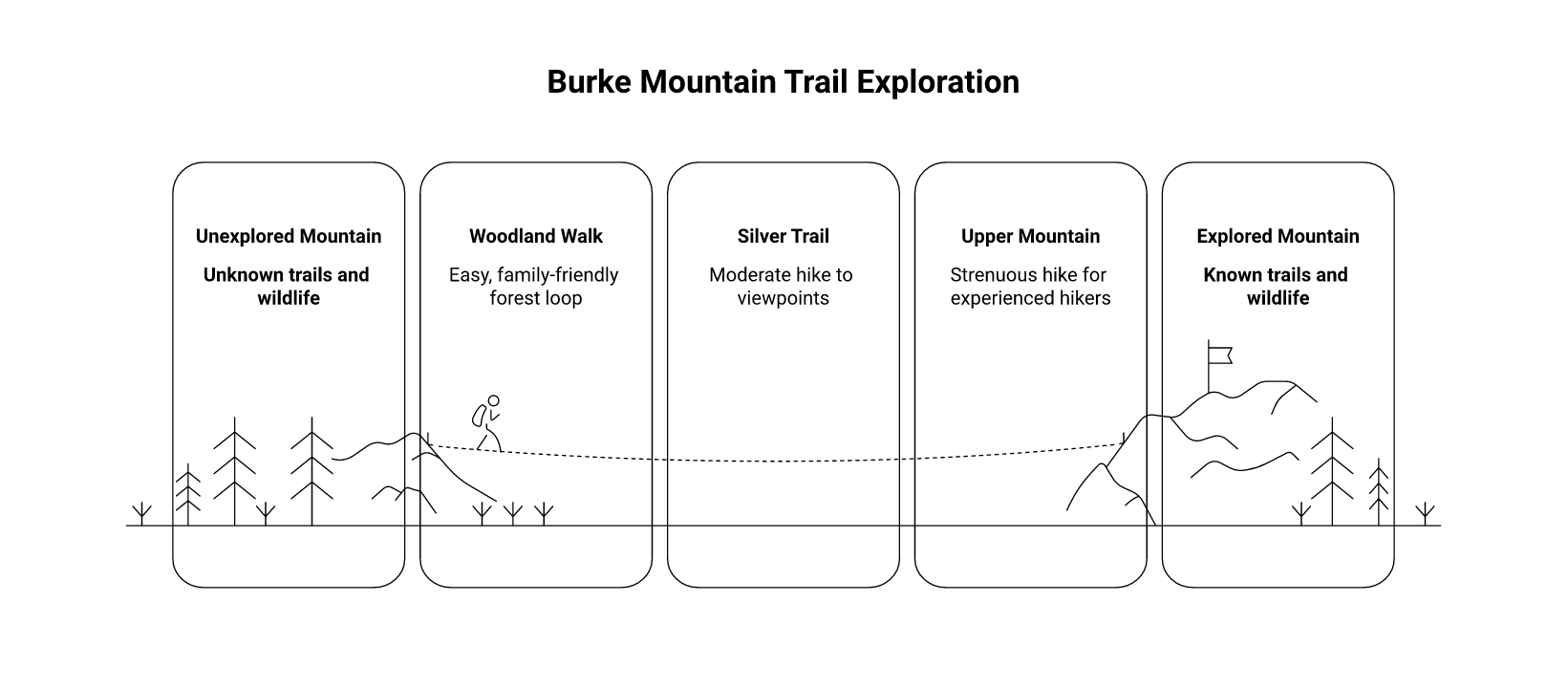
The Woodland Walk is Burke Mountain’s most accessible trail, a flat to gently rolling loop through mature second-growth forest that works for all fitness levels and families with young children. The trail surface is generally well-maintained and offers the forest experience without significant elevation gain, making it a practical option when you want nature without committing to a full mountain hike.
The Silver Trail is the main route to the upper mountain and summit viewpoints. This is a moderate to strenuous hike depending on how far you go, with sustained elevation gain through mixed forest and eventually subalpine terrain. The Silver Trail takes most hikers two to four hours return depending on pace and destination, with the better viewpoints appearing in the upper sections where the tree cover thins.
The summit of Burke Mountain and the upper connections to Pinecone Burke Provincial Park are for experienced hikers with appropriate gear. The upper mountain terrain is rougher and weather can change quickly. Most visitors on a casual hiking day should plan to turn around at one of the mid-mountain viewpoints rather than committing to the full summit, which requires more time and preparation than the lower trails suggest.
What You Will See: Forest, Wildlife, and Views
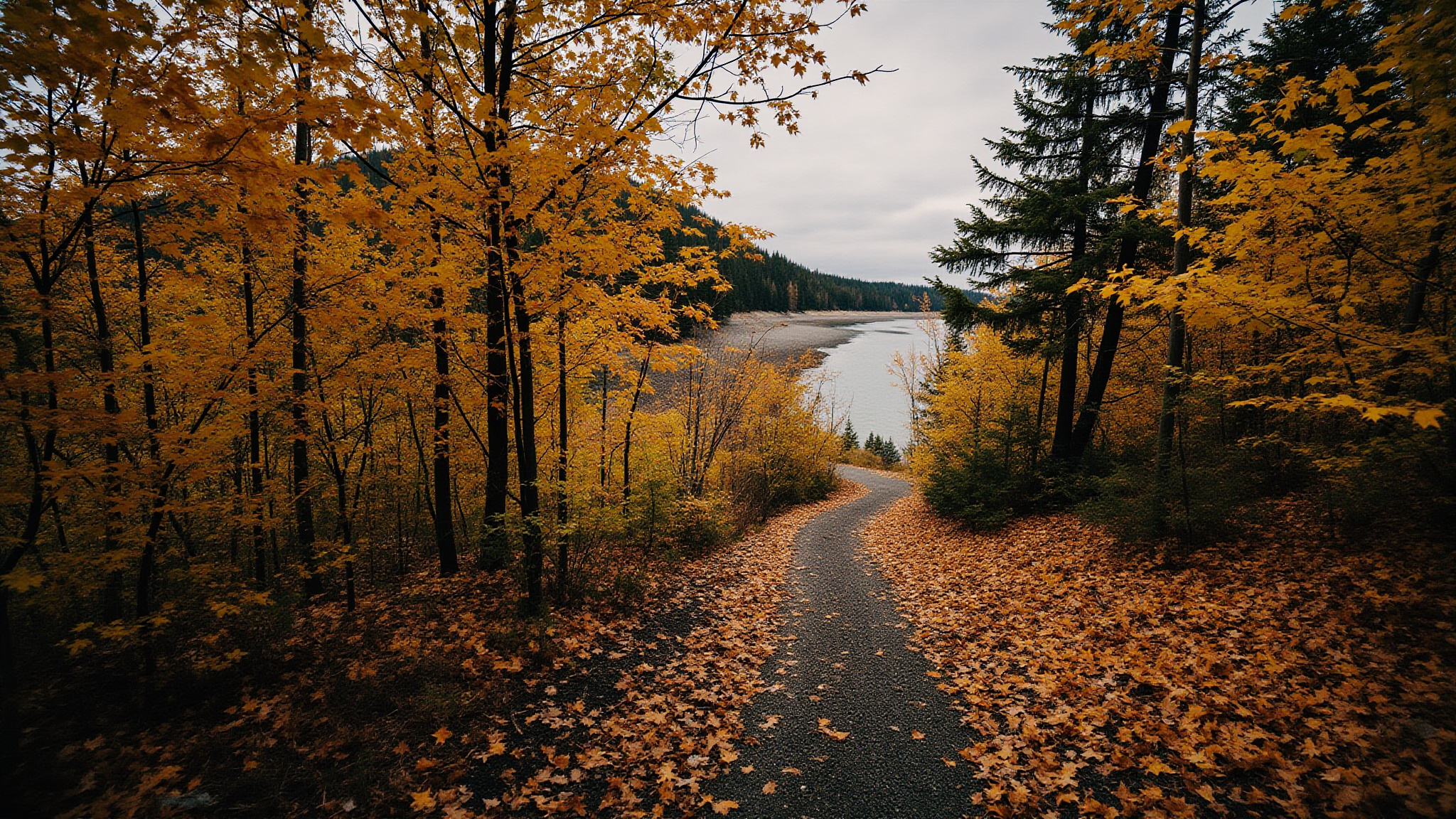
The lower Burke Mountain trails run through mature second-growth Douglas fir, western red cedar, and big-leaf maple forest that gives the mountain a significantly wilder feel than its urban location suggests. The forest floor is lush and fern-covered through spring and early summer, with the light through the canopy creating the kind of environment that makes the hike worth doing even when the weather is overcast.
Wildlife is present on Burke Mountain in greater variety than most urban hikers expect. Black bears are regularly sighted in summer and autumn, particularly in the berry-heavy upper slopes. Coyotes, deer, and various raptors are common throughout the season. The salmon-bearing streams on Burke Mountain’s lower flanks attract bears in autumn, so making noise and carrying bear spray is sensible during that period.
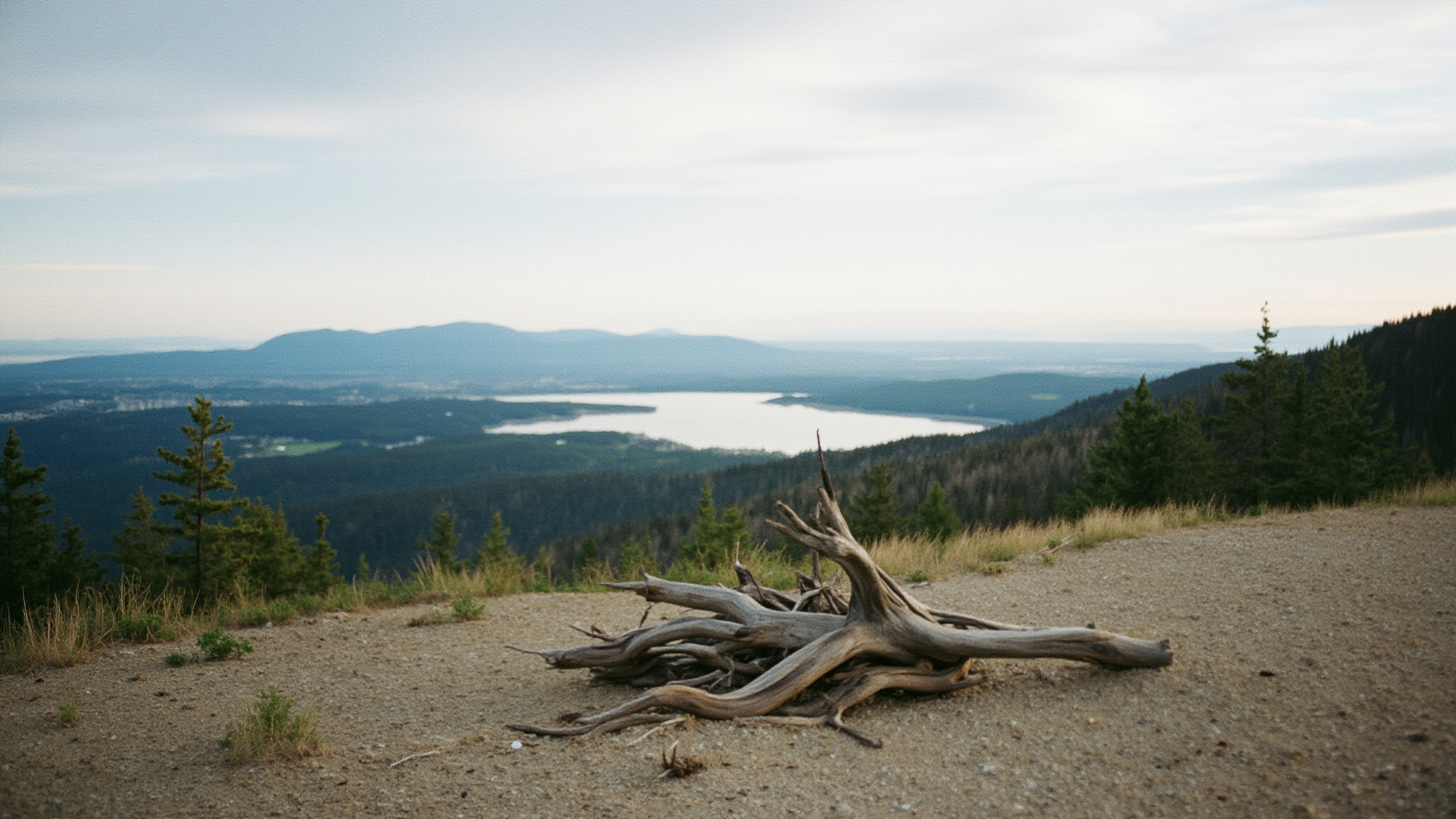
The views from Burke Mountain’s upper slopes and summit extend across the Lower Mainland, with the Fraser Valley, Burrard Inlet, and the North Shore mountains visible on clear days. The view from the mid-mountain viewpoints alone is worth the elevation gain and is one of the better panoramic perspectives available from any Coquitlam trail. Early morning light on a clear day makes the viewpoints particularly rewarding.
Seasonal Considerations and Trail Tips
Burke Mountain is hikeable year-round, but conditions vary significantly by season. Summer and early autumn are the most popular periods, with dry trails, full visibility, and long daylight hours. Spring brings muddy conditions on the lower trails and lingering snow on the upper mountain into May or June depending on the year. Winter hiking is possible on the lower trails but the upper mountain requires proper gear and experience.
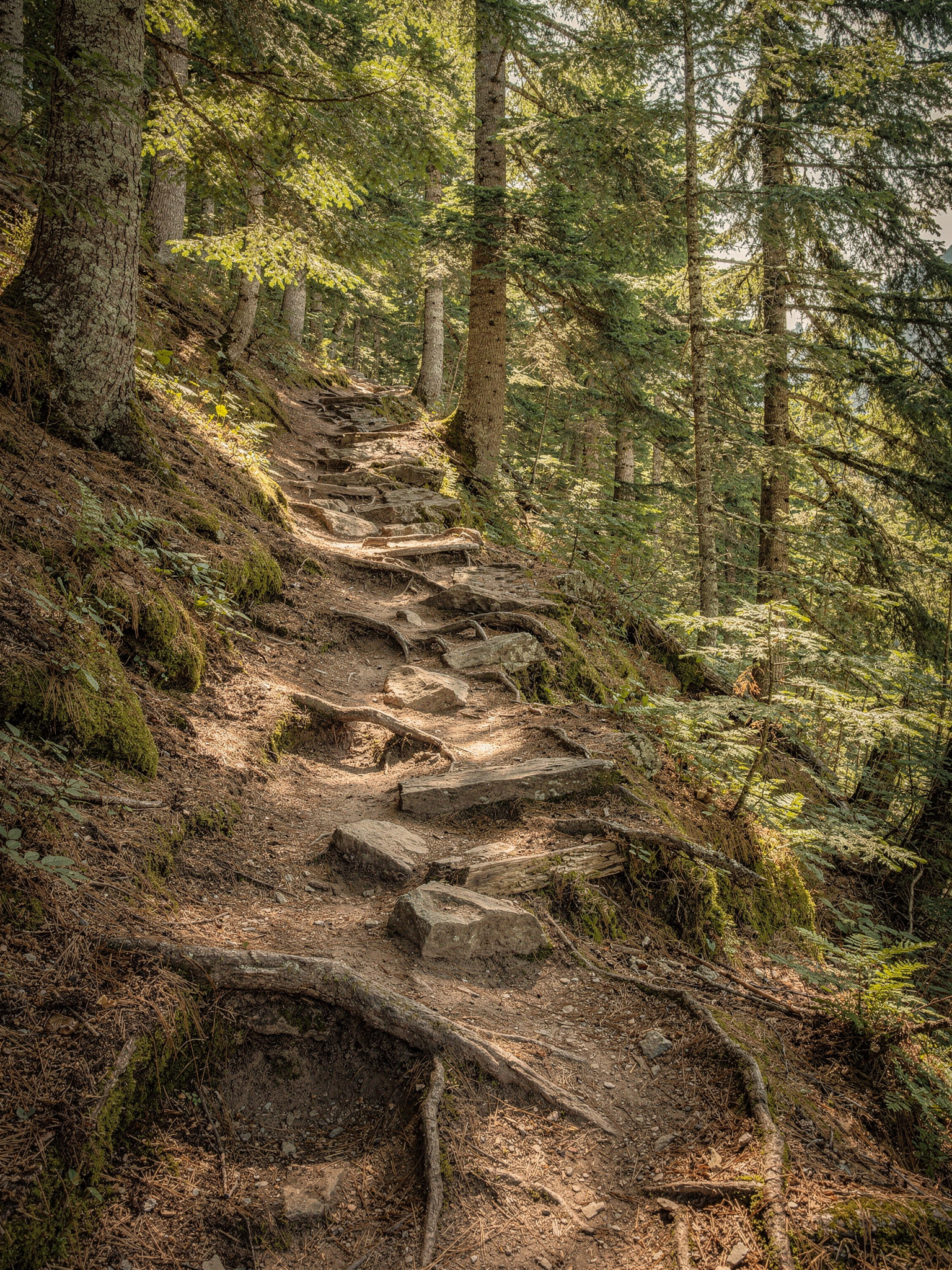
The trail surfaces on Burke Mountain vary from maintained gravel on the lower sections to rooted and rocky terrain higher up. Hiking boots with ankle support are recommended for anything above the Woodland Walk, and trekking poles are useful on the Silver Trail’s steeper sections. The upper mountain terrain becomes genuinely technical in sections and should not be attempted in trail runners or casual footwear.
The Burke Mountain trails are within the Greater Vancouver Water District, which means dogs must be kept on leash at all times. The trail network also overlaps with some active logging areas above the provincial park boundary, so checking current trail conditions and closures before heading out is worth doing for any upper-mountain routes.
Planning Your Burke Mountain Visit
Burke Mountain is best experienced as a morning outing, arriving early enough to secure parking and complete the hike before the afternoon heat and crowds on summer weekends. A 7 to 8 a.m. start gives you the mountain largely to yourself and the best light for the viewpoints.
The lower trailheads have basic facilities including washrooms at the main Ravine Drive area, but there are no services on the mountain itself. Bring enough water for your planned route, with most hikers planning at least one litre per person per hour of hiking. The upper mountain is remote enough that a small first aid kit and a fully charged phone are worthwhile additions.
Burke Mountain connects to a network of trails that extends well beyond the Coquitlam boundary into Pinecone Burke Provincial Park and further. For experienced hikers looking for a multi-day or long-distance route, the connections beyond the urban trail system open up significant backcountry options. Trail maps for the extended network are available through BC Parks and the Coquitlam Trails Society.
Burke Mountain Trail Tips
Arrive before 8 a.m. on summer weekends to guarantee parking at the main Ravine Drive trailhead. The lot fills quickly and the hike in from road overflow parking adds meaningful distance to your trip.
The Silver Trail is the most rewarding route for hikers looking for views and a genuine mountain experience within Coquitlam. The mid-mountain viewpoints are achievable for most fit adults in two to three hours return and provide a significantly better payoff than the lower forest trails alone.
Check the BC Parks website and Coquitlam Trails Society for current conditions before heading to the upper mountain, especially in spring when snow can persist well into May. A wrong assumption about trail conditions above the treeline can turn a good day into a dangerous one.
Burke Mountain Village on David Avenue has a small cluster of cafes that are a natural stop before or after hiking the upper neighbourhood trails. Starting your day with a coffee there and connecting to the trail network from the neighbourhood side avoids the Ravine Drive parking situation entirely on the busiest summer weekends.
Questions Often Asked
What is the best trail on Burke Mountain?
The Silver Trail is the most rewarding route for hikers looking for views and a genuine mountain experience. It provides sustained elevation gain through mature forest to mid-mountain viewpoints with panoramic views of the Lower Mainland. The Woodland Walk is the best option for families or anyone who wants a forest walk without significant elevation gain. Both are accessible from the main Ravine Drive trailhead.
How long does it take to hike Burke Mountain?
The Woodland Walk takes 45 minutes to an hour for most walkers. The Silver Trail to the main mid-mountain viewpoints takes two to three hours return at a moderate pace. Reaching the upper mountain and summit adds another one to two hours each way. Most people plan a half-day outing for the Silver Trail and a full day for anything above that.
Are there bears on Burke Mountain?
Yes. Black bears are regularly sighted on Burke Mountain, particularly in summer and autumn when berry crops attract them to the upper slopes. Making noise on the trail, carrying bear spray, and keeping dogs on leash reduces risk significantly. The lower trails near the residential areas see bear activity as well, particularly in the early morning and evening hours.
Is Burke Mountain suitable for beginner hikers?
The lower trails including the Woodland Walk are suitable for beginner hikers and families with young children. The Silver Trail is moderate and suitable for reasonably fit adults with appropriate footwear. The upper mountain trails above the main viewpoints become more technical and are better suited to hikers with experience on uneven and steep terrain.